Showing posts with label nutrition. Show all posts

Monday, May 5, 2014

May Mango Madness


The Food of the Month for May is one of my favorite fruits - mangoes!  Mangoes are so delicious and are in season right now so it's likely you'll be able to find some really good deals on them in the grocery store right now.  (Buy a case at Whole Foods and receive a 10% discount).

How do you pick a good mango?
*Gently squeeze the mango; ripe mangoes have a slight give, similar to a ripe peach or avocado.
*As mangoes ripen, the skin turns from a green to a more golden hue.
*Ripening may be accelerated by placing the mango in a paper bag.
*Once ripe, mangoes may be stored in the refrigerator to prevent over-ripening.

How do you cut a mango?


Like all fruits, mangoes are super healthy for you.  One mango contains:

  • 124 calories
  • 1.7 g protein
  • <1 g fat
  • 31 g carbohydrates
  • 3.3 g fiber
  • 0 mg cholesterol
  • 23 mg calcium
  • 348 mg potassium
  • 2 mg sodium
  • 75 mg vitamin C
  • 89 mcg folate
  • 112 mcg vitamin A
Mangoes are also packed with phytonutrients called carotenoids.  Carotenoids are vitamin-A precursors that give foods their deep yellow/orange/red color.  They have anti-oxidant and protective effects in the body.  Some carotenoids found in mangos include:
  • beta-carotene - antioxidant & anti-cancer properties
  • lycopene - preventative against prostate cancer
  • cryptoxanthin - possible immune system booster
  • lutein - preventative against macular degeneration & cataracts
  • zeaxanthin - beneficial for eye health
Chopping, cooking, & pureeing caroteinoids increases bioavailabily (amount that is absorbed), so making smoothies out of frozen mangoes is an awesome way to eat this fruit.  Here is one of my favorite mango recipes from Dr.Fuhrman.com!

Mango Ice Cream (makes 2 servings)
2 cups frozen mango chunks
1 frozen banana
1/2 cup soy milk (or other non-dairy milk)
2-4 pitted medjool dates (optional)

Blend ingredients in high-powered blender until smooth.  Top with cinnamon if desired. 

Come in to TOPS Athletics this month for more yummy mango recipes!

Acai bowl from SurfBerry with delicious mango!

Note:  The best source of carotenoids is food.  Don't take high-dose supplements of carotenoids (or anything for that matter) because the body cannot regulate absorption as well and consuming too much can be dangerous.  For example, studies have shown that taking extremely high doses of carotenoids in supplement form increased risk of lung cancer in smokers.  

Tuesday, April 8, 2014

Just Beet It with Biotta Naturals Beet Juice!


A lot of people think beets are disgusting. In reality, I find that most of these people have never really even tried beets before and that once they do they are pleasantly surprised. I was exposed to beets at a very young age due to the Polish heritage of my maternal grandparents. Beet soup, more commonly known as borsch, is a traditional food on that side of the family. It was something that my grandfather always made for us growing up and we got a kick out of it because the soup was always bright pink from the color of the beets. I continued to eat plenty of beets when I lived in France because shredded beets were just as common as shredded carrots on salads - an excellent way to add them to your diet! All this time, I knew beets tasted good and were healthy, but I had no idea how good they could be for athletic performance...until now! 

Beets contain a high amount of inorganic nitrates. When we eat these nitrates present in food, they are metabolized in the body, first to nitrite, and then subsequently to nitric oxide (NO). NO is essential for normal functioning of the vasculature of the human body. It is synthesized by the endothelial cells and is a potent vasodilator. Reduced production of NO has been linked to hypertension, atherosclerosis, &amp; stroke. Numerous studies have shown benefits of consumption of nitrates (in the form of beet juice) on various cardiovascular diseases. 

More recently researchers have been delving into the potential beneficial effects of nitrates on sports performance and have found good results. One mechanism of course is improved vasodilation, i.e. improved blood flow to the heart and exercising muscles. Another fascinating way that nitrates might help improve athletic performance is by lowering the oxygen cost of exercise by increasing efficiency of energy production. Basically, your muscles can produce more energy (ATP) with a given amount of oxygen - how cool is that!!? For those who care, it looks like this happens because there is less proton leakage through the mitochondrial membrane, thus resulting in a tighter coupling between mitochondrial respiration and ATP synthesis. How great are the benefits? Here are some study results:
  • Eight healthy men drank 500 mL beet juice per day for 6 days and then were asked to cycle to exhaustion. Compared to the control group (who drank a juice that did not contain any nitrate), they lasted 16% longer. 
  • Male cyclists who drank beet juice 3 hours before a time trial significantly improved their times in a 4km by 2.8% and in a 16.1km by 2.7%. 
  • Compared to a placebo group, male cyclists who drank 140 mL beet juice/day for 6 days improved their time in a 10km TT by 12 seconds and had increased power output. 
  • 8-well trained cyclists completed two separate 50-mile cycling TTs. For one they drank 0.5L beet juice 2.5 hours before the TT and in the other they drank de-nitrated beet juice. After drinking the beet juice they had significantly improved power output and a 0.8% improved time. 
  • Runners ate 200g baked beets 45 min before a 5km TT. Compared to runners who did not eat beets, those who did ran 5% faster in the last 1.8 km of the TT. 
  • Rowers who drank 500 mL beet juice for 6 days outperformed those who drinking a placebo in a 500m rowing TT. 
Of course, after reading about all this I wanted to try it. So imagine how excited I was to find out that Biotta Naturals Juices, maker of Beet Performer Juice became a sponsor of the Rev3 triathlon team that I was on! Score! I received a couple bottles of beet juice from Biotta and decided to put it to the test. I ate about 1/2 can of beets and drank about 8 oz beet juice every day for 3 days leading up to the race. I didn't drink any juice the morning of, simply because I ran out (poor planning, I know). I also ate arugula for three days prior to the race, which is another food high in nitrates. I'd have to say it worked out well b/c I won the race and improved my time in all three sports from the last time that I raced that race!  Since then, I've continued to drink beet juice leading into races and on race day and I really believe that it helps.  There was one particular race I did where the water temperature was in the low 50's!  Burrr!  I was kinda worried about getting in the water b/c I don't do well in cold weather.  But, before the race I drank half a bottle of Biotta beet juice and I SWEAR it helped prevent the hyperventilation reflex that occurs due to constriction when you get into cold water!!!  My theory is that it helped dilate my blood vessels and allowed me to get through that horribly cold swim!

Team Rev3 Photobomb Throwback!
Based on the research, it looks like consuming about 0.5L beet juice per day for about a week leading up to an event is beneficial. Also, a single dose about 3 hours before the event may be of even further benefit. 


If you are worried about the taste of beet juice, don't be. It's actually pretty sweet and delicious. And it's best when served cold. You can order beet juice from Biotta Naturals website. Save 25% off by entering the code drinkbeets414.  You can also enter your zip code in on the website to search for local stores in your area that sell the juice. Getting the juice this way is sooooo much easier than juicing your own beets, which I have tried before. I gave that up pretty quickly because I was sick of having to clean up the bright pink mess that was my juicer. Also, I find that the bottled juice actually tastes better than the juice that I made in my own juicer - probably something to do with the Swiss bottling process (I have never seen a place as clean and pristine as Switzerland in my life). Other foods besides beets that are high in nitrates are arugula, rhubarb, butterhead lettuce, celery, and spinach.

If you want to taste this juice, come by my office this week at TOPS Athletics :)  We are sampling a variety of Biotta juices all week long :-)  Then feel free to leave a comment about what you thought of the juice!


Tuesday, April 1, 2014

Partnership With Port Land Grille & First Food Of The Month!!!

Each month I will be featuring a different healthy food on my blog, discussing why it is good for you, and also providing you with a couple of recipes for the food.  

Since April is my birthday month, I’m starting with one of my all-time favs - spinach!  There is a reason that Popeye was always eating so much spinach - it is one of the healthiest foods you can possibly eat!  Spinach is extremely nutrient dense.  This means that while it is low in calories (only 7 calories per cup), it packs a huge punch of vitamins, minerals, and other phytonutrients (naturally occurring components in food that help prevent and fight disease).  

Spinach is high in iron, fiber, vitamin K, vitamin C, vitamin A, magnesium, potassium, & folate, among other nutrients.  Like all plant foods, it contains 0 grams of cholesterol.  Spinach is such a healthy food that everyone should try to eat some of it every single day!

Here are some ideas to get more spinach into your diet:

Spice up salads - Mix baby spinach with your salad lettuce to add color, flavor, vitamins, minerals, & nutrients.

Fun with family favorites - Thaw and drain a package of frozen spinach and add to layers of a lasagna.  Toss a few handfuls of spinach on top of a pizza.

Drink your greens - Add a handful or two of spinach into home-made smoothies

Simple dinner side - Purchase fresh or frozen spinach in a bag that can be quickly and easily microwaved

———NEWS FLASH!!!!———

I’m SUPER excited to announce a partnership with Shawn Wellersdick, head chef and owner of Port Land Grille!  Shawn is one of the most acclaimed chefs in North Carolina with a long list of accolades to his name and an equally long list of praise for his Port Land Grille.  Some highlights of his 20+ year career as a chef include:

  • Shawn is a graduate of the prestigious Johnson & Wales University, where he chosen by his instructors and peers to represent his school in the Collegiate Culinary Olympics, ultimately winning 2nd place in North America
  • Shawn & Port Land Grille have received numerous accolades and have been consistently rate among top chefs/restaurants in NC by Greensboro News & Record, Wilmington Star News, SANTE Magazine, Metro Magazine, & Charlotte Observer, among others. 
  • Port Land Grill has received the coveted DiRoNA Award (Distinguished Restaurants of North America)
  • Port Land Grille has been awarded “Best Wine List” in the country, specializing in small production Artesian wineries from North America
  • Shawn currently serves on the North Carolina Chef’s advisory board for North Carolina Pork Council, North Carolina Sweet Potato Council, & North Carolina Seafood Council
  • Shawn has been selected twice to represent our state of NC at the Great American Seafood Challenge in New Orleans that is featured annually on the Food Network Channel
  • Shawn is a recurrent personality on UNC TV’s Flavor NC
Me (in the pink shoes) drafting off Shawn (black shirt) at Quintiles Wrightsville Beach Marathon 2014!
Shawn will be contributing tasty recipes containing the healthy foods of the month.  I’m sure I speak for everyone when I say I can’t wait to make this!

Braised Baby Organic Spinach with White Beans & Sweet Peppers
Serves 6-8 portions

Ingredients
10 oz. Baby Organic Spinach
1, 15 oz can of canned organic Great Northern Beans (drained) or you can substitute any other type if there is a personal preference.
4 tablespoons Extra Virgin Olive Oil
2 Large Shallots, julienned (thinly sliced)
1 medium sized red bell pepper, julienned
1 medium sized yellow bell pepper, julienned
4-5 cloves of garlic, thinly sliced (shaved)
1 teaspoon crushed red pepper flakes
1.5 tablespoons ground fennel seed
4 ounces vegetable stock or water
1 lemon for zest
Sea Salt and Ground Black Pepper to taste

Directions
In a heavy bottomed stainless steal pan add the olive oil, shallots, bell peppers, red pepper flakes and fennel. Cover with a lid and sweet vegetables and aromatics over medium-low heat for 10 minutes. Stirring every few minutes. Once vegetables are tender add spinach, vegetable stock, white beans, season with salt and pepper. Cover and contuine to simmer for 5-6 minutes. Enough time to wilt spinach. Stir every 1 or 2. Once spinach is wilted and vegetables and beans are well incorporated zest 1 lemon over spinach mixture, stir and taste for seasoning adjust salt and pepper to personal preference.

This can be served as sides or as a main dish. Also this can be made a head of time and reused for a week.


Happy cooking & be sure to come into TOPS for more healthy spinach recipes!  

Tuesday, March 25, 2014

WINutrition Pick: P.T.'s Grille

One of the most common challenges to eating healthy is going out to eat.  It's easy to cook healthy foods when you are the one controlling the ingredients.  However, when you go out to a restaurant it's sometimes hard to know what the healthiest thing on the menu is.  A seemingly healthy salad can be sabotaged when topped with croutons, fried tortilla strips, blue cheese, and creamy dressing.  No matter where you go, there is usually a way to make a healthy choice.  I'm going to start giving my WINutrition picks from some of the restaurants here in Wilmington so that you'll always know what the most nutritious item on the menu is without having to stress over it!

First up.... P.T.'s Grille!

1437 Military Cutoff Rd. Wilmington NC 28412
910-256-8850
It's not a secret that P.T.'s Grille offers stellar fresh-never-frozen burgers & hand-cut fries.  However, if you are looking for the most nutrient-dense option here's what I'd suggest:

Selection #1:  323 calories, 9.8 g fat, 1.6 g sat fat, 0 mg cholesterol, 10.1 g fiber, 19g protein, 49 g carbs
Black Bean Burger on 100% whole wheat bun w/ ketchup, mustard, lettuce, tomato, & onion
Side salad with 1/2 portion (2 Tbsp) of Lite Italian dressing [no cheese, no croutons]
Unsweet iced tea

I sampled the black bean burger & side salad and it was tasty!

Selection #2:  439 calories, 10.6 g fat, 1.8 g sat fat, 112 mg cholesterol, 5.9 g fiber, 45 g protein, 37 g carbs
Grilled chicken sandwich on 100% whole wheat bun w/ ketchup, lettuce, tomato, & onion
Side salad w/ 1/2 portion (2 Tbsp) of Lite Italian dressing [no cheese, no croutons]
Unsweet iced tea

I also got a chance to catch up with P.T.'s owners Mark and Jane Warren who are very health conscious themselves.  Jane says "Health and nutrition are a priority for myself as well as my family. I enjoy eating at home, but when I do go to P.T.'s I love getting the black bean burger on top of a salad.  I also request grilled onions and mushrooms to be added and balsamic vinegar for my dressing.  These items are not on the menu, but all you have to do is ask for them!"

To browse more of the options available at P.T.'s, here is a link to the full menu.

Look for my WINutrition picks at P.T.'s Grille and more local restaurants coming soon!  In the meantime, here are some quick tips for how to make healthy choices when eating out:

  • Include whole grains, vegetables, fruit, and lean protein in your meal
  • Don't be afraid to ask how things are prepared and request healthy modifications:
    • Steam veggies instead of sautéing in butter or oil
    • Grill/bake/broil meat instead of battering & deep frying
    • Ask for cheese to be left out of the dish
  • Ask for dressings on the side and use only minimal amounts
    • When in doubt, you can always dress salads with balsamic vinegar
  • Avoid butter, oil, fried foods, cheeses, white sauces, & gravies!
  • Opt for healthier spreads like mustard & hummus vs. mayonnaise & cheese
  • Pay extra attention to your hunger/fullness cues.  Restaurant meals are often oversized in portions; don't feel like you need to eat everything on the plate!

Monday, February 24, 2014

Book Review: Eating Animals


I’ve been a vegan for almost 4 years now. There are many reasons why one might choose this path, and for me it was to optimize health and athletic performance. The treatment of factory farmed animals didn’t really play into the decision, though I had read The Omnivore’s Dilemma and Fast Food Nation – both great books which paint a vivid picture of “life” on the factory farm. After reading these books, I did make efforts to connect with local farmers and started purchasing grass-fed, antibiotic-free, meat, poultry, &amp; eggs from small local farms. However, because this was more burdensome and a lot more expensive, I also kept buying conventional meat in bulk from Costco’s meat department and whenever I ate out in restaurants. In continuing to spend money on conventionally farmed animal products, I was still contributing to the demand for cheap meat and even though it made me feel better about what I was doing, I realize now that “any plan that involves funneling money to the factory farm won’t end factory farming.”

Since turning vegan, it’s been nice to know that I’m no longer contributing to factory farming, but like I said before it was never the impetus for change and I didn’t think about it that much. Then the book Eating Animals came to me in the mail from a friend. I was intrigued so I started reading it and I couldn’t put it down! You should know that this book was not written by an animal-rights activist or hard-core vegan. It was written by a young omnivorous first-time father who wanted to find out more about exactly what he would be feeding his son should he continue to purchase animal products. I feel like the book is very objective and allows you to form your own opinions based on factual information presented. In my mind, the following reasons are more than enough to convince me that abstaining from factory farmed meat is the only viable conclusion.

Animal Cruelty
I won’t lie, it was not pleasant reading about the nitty gritty details of how factory farmed animals are treated; it’s downright shocking and disgusting. First of all, the animals I’m talking about should not even exist in nature. What I mean is that these farmed animals have been so meticulously and grotesquely genetically engineered over time to produce greater amounts of meat with less food in less time, that they literally are incapable of reproducing. Thus, it is a fact of biology that these animals should not even exist. They live their pathetic lives in overcroweded cages, are not free to engage in the natural behaviors of their species, are branded/clipped/cut all without pain killers, and don’t see the light of day until they are crammed onto the trucks to be taken to slaughter. Those that don’t manage to grow properly in the heinous conditions are simply killed or left to die because it would cost more for the farmer to continue to feed them. Of course the slaughterhouses are a nightmare and it’s commonplace for animals to be skinned or cut alive. The nature of the work often brings out sadistic behavior in workers who abuse the animals with physical force. I won’t elaborate on this because it’s only a google away if you want more details. It’s really hard to believe that so much cruelty occurs and so many people know about it, yet it continues to happen and is simply swept under the rug.

Ecological Impact
The book also talks a lot about the ecological impact of factory farming, which is staggering! Factory farming produces more greenhouse gases than all forms of transportation combined. Farmed animals in the US produce an incredible 87,000 pounds of sh*t per SECOND! Holy sh*t! That’s 130 times as much waste as the entire human population! Here is an excerpt of a story about a 120,000 square foot “lagoon” of nitrogenous pig waste:

A worker in Michigan, repairing one of the lagoons, was overcome by the smell and fell in. His 15-year old nephew dived in to save him but was overcome, the worker’s cousin went in to save the teenager but was overcome, the worker’s older brother dived in to save them but was overcome, and then the worker’s father dived in. They all died in pig sh*t.

In addition to excessive waste & greenhouse gases, we are clearing rainforests at an alarming rate to make more room to farm more livestock so that we can create more waste & more gas.


Health Impact
I’m not going to elaborate on this much because I’ve talked about it before and it’s not a focus of the book. But, in general science shows an undeniable correlation between the Standard American Diet (SAD) and the chronic diseases plaguing millions of Americans today, including the #1 and #2 killers – heart disease & cancer. The obvious link here is obesity, which is nearly impossible to achieve on a whole foods plant-based diet.

Economic Impact
One of the biggest problems facing the US today is the crumbling of our health care system. Drugs & surgeries are so expensive and are both treatments that do not remedy the underlying problems; rather they treat the symptoms. The cheapest way to prevent and reverse diseases that otherwise result in costly treatments (i.e. bypass surgery, dialysis) is to adopt a whole foods plant-based diet.

Medical Impact
It’s well known that bacteria naturally evolve and mutate to develop resistance to the antibiotics that we have against them. More and more strains of bacteria are becoming harder and harder to treat. This is not a result of humans overconsuming antibiotics – Americans consume about 3 million pounds of antibiotics per year. In comparison, 17.8 million pounds of antibiotics are fed to factory farmed animals! And this is not a situation where an animal gets sick and is then treated. The animals are fed antibiotics in their feed at each meal to prevent them from becoming too diseased to sell to consumers, which would otherwise be inevitable because of the close and dirty quarters that they inhabit. The lavish use of antibiotics in the factory farming world is setting the scene for the next global pandemic.


Hunger Impact
It is much much cheaper to produce a calorie of plant food than it is to produce a calorie of animal product. In thinking about ending world hunger, it would be much more cost-effective to feed people plant foods, rather than to try to solve the problem with meat. Compounding this problem is that more and more of the grain that could be used to feed hungry people, is being siphoned to animal farms to feed livestock. It’s a lose-lose.

Now, I think part of the problem with factory farming is educating people about the truth. IMO it’s really important that people realize where their food is coming from and how it is produced (raised, transported, killed, & processed). However, if you suggest that people should read books like “Eating Animals” or watch videos like “Meet Your Meat” you will likely be met with a lot of resistance. I think this is because people are content to exist in a state of ignorance. If they educated themselves on the topic then they’d be forced to make an ethical decision with taste/customs/traditions of food weighing heavily on one side of the scale. I don’t think anyone would actually condone factory farming and I certainly can’t think of a good argument to support it. No one thinks that it’s ok to abuse or mistreat animals, but then why is it so hard for people to demand the end of factory farming and insist on a more sustainable solution?

I’ll end this with a quote from the book that really resonated with me:

When we eat factory-farmed meat we live, literally, on tortured flesh. Increasingly, that tortured flesh is becoming our own.

So, where do you stand? Do you? Doing nothing is a choice and a vote for factory farming.

Sunday, February 9, 2014

Store D'Oeurvres


Let's be honest.  Who doesn't like going to Costco for all the free samples of food?  It's fun and makes grocery shopping more exciting.  However, I've always wondered how many calories one consumes on any given Sunday at Costco.  Can consuming these "store d'oeurves" really impact your diet, sabotage your weight loss plan, or affect your overall health? 

To shed some light on these questions, the last time I went to Costco I took a picture of every single sample that the store was offering that day.  Then for fun, I did a little analysis of nutrient content.  Here's what was cookin':

Sheila G's Brownie Brittle (0.5 oz)
60 kcal, 2 g fat, 0.5 g sat fat, 0 mg chol, 10.5 g carbs, 0.5 g protein 


Cackalacky Spice Sauce (1 tsp served on a tortilla chip)
20 kcal, 0.69 g fat, 0.84 g sat fat, 0 mg chol, 1.99 g carbs, 0.22 g protein


Ancient Grains Cooked Freekeh (1/8 cup)
68 kcal, 0.31 g fat, 0 g sat fat, 0 mg chol, 13.5 g carbs, 2.75 g protein


DiGiorno Frozen Supreme Speciale Pizza (2" surface area)
41 kcal, 2.25 g fat, 0.776 g sat fat, 3 mg chol, 3.7 g carbs, 1.61 g protein


Pierre Signatures Frozen Grilled Chicken Sandwich (1/4 sandwich)
70 kcal, 2.2 g fat, 0.5 g sat fat, 7.5 mg chol, 8.8 g carbs, 3.8 g protein


Dee Amore's Frozen Potato Skins (1 piece)
100 kcal, 6.5 g fat, 3 g sat fat, 15 mg chol, 7 g carbs, 4.5 g protein


Better Bakery  Frozen Italian Style Meats Pretzel Melt (1/8 sandwich)
56 kcal, 3 g fat, 1.625 g sat fat, 11.25 mg chol, 4.9 g carbs, 2.25 g protein


Nathan's Beef Franks (1 cocktail-sized frank)
32 kcal, 2.85 g fat, 1.115 g sat fat, 6 mg chol, 0.4 g carbs, 1.19 g protein


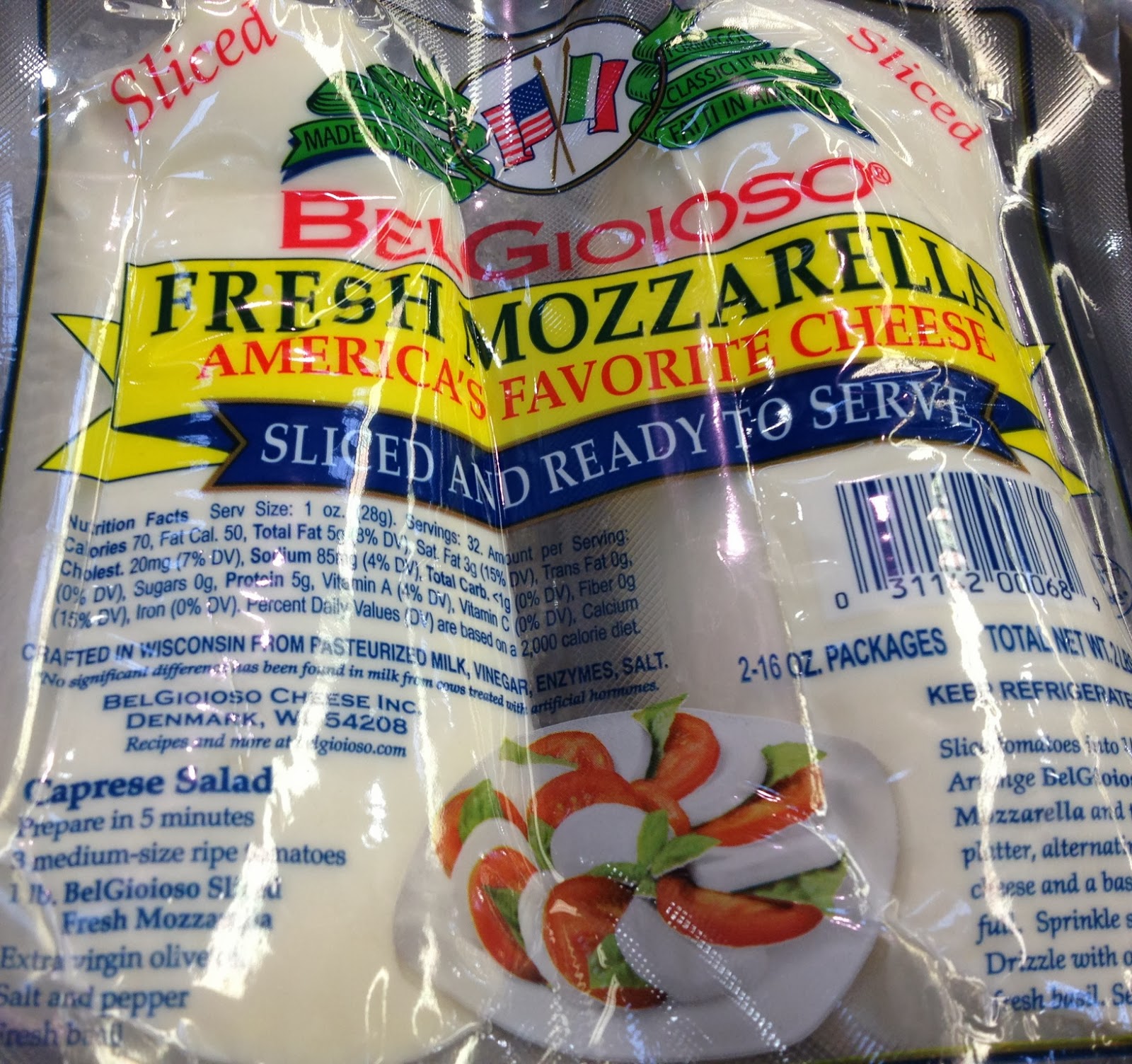
Bel Gioioso Fresh Mozzarella (1 cubic inch)53 kcal, 3.93 g fat, 2.315 g sat fat, 14 mg chol, 0.39 g carbs, 3.9 g protein


Julian's Belgian Style Waffles (2" suface area)23 kcal, 0.71 g fat, 0.145 g sat fat, 1 mg chol, 3.6 g carbs, 0.54 g protein


Abuelita White Corn Tortilla Chips (1 chip)
15 kcal, 0.69 g fat, 0.084 g sat fat, 0 mg chol, 1.99 g carbs, 0.22 g protein


Detour Caramel Peanut Protein Bar (1/8 bar)
16 kcal, 0.12 g fat, 0.124 g sat fat, 0 mg chol, 2.74 g carbs, 0.87 g protein


Fruit Smoothie made from a Vitamix (2 oz)
33 kcal, 0.08 g fat, 0.017 g sat fat, 0 mg chol, 8.31 g carbs, 0.23 g protein

Grand Totals:
587 kcal, 25.33 g fat, 11 g sat fat, 58 mg chol, 68 g carbs, 22.5 g protein

Ringing in at a grand total of 587 kcal, your weekly shopping trip is like adding an entire meal to your day.  These totals are assuming that you are only eating one of each item, and you know you have doubled back to a sampling station before hoping that the serving lady doesn't recognize you!  Now, if you add this 587 calorie meal on top of your regular 3 meals that day, this adds up to an additional 30,524 kcal each year (assuming one shopping trip per week), which is equivalent to 8.7 lbs of body weight!  This means you could potentially avoid gaining almost 9 pounds per year if you just said no to all the samples in the store!  Craziness!

And taking a minute to talk about the foods that are offered, you can see that the majority of these foods are processed foods.  It is very rare that you go into the store and they are sampling some of the fresh fruit - I love it when they do this btw!  Most of the items are frozen convenience foods that are high in fat, saturated fat, cholesterol, and sodium.  In fact, 39% of total calories of this "Costco meal" are coming from fat.  This is way above the upper limit that the USDA sets for fat consumption (30%), which is way above what I believe to be optimal for human health and performance (<20%). 

From this entire menu, the only samples I'd recommend any of my clients trying are the fruit smoothie and the freekeh (aka green wheat).  I'm not knocking Costco at all here - I like Costco.  There are plenty of healthy foods you can buy in bulk at this store:  fresh fruits, fresh veggies, whole grains, canned veggies, nuts, seeds, dried fruit, frozen veggies, frozen fruit, 100% fruit juice, and non-dairy milk, to name a few. 

So next time you take a trip to Costco, try eating a healthy meal or snack before so the unhealthy store d'oeurvres aren't as tempting.  Bring a bottle of water or unsweetened tea that you can sip on as you peruse the aisles to keep your mouth & hands busy.  Also use it as an opportunity to look at the nutrition facts labels of the foods that are on display and think about whether you want to put these foods into your body and even more importantly, into your kids' bodies.  And last but not least, enjoy the free healthy samples that happen to be on display!  :)

Monday, January 27, 2014

Healthy Evening Snack: Edamame

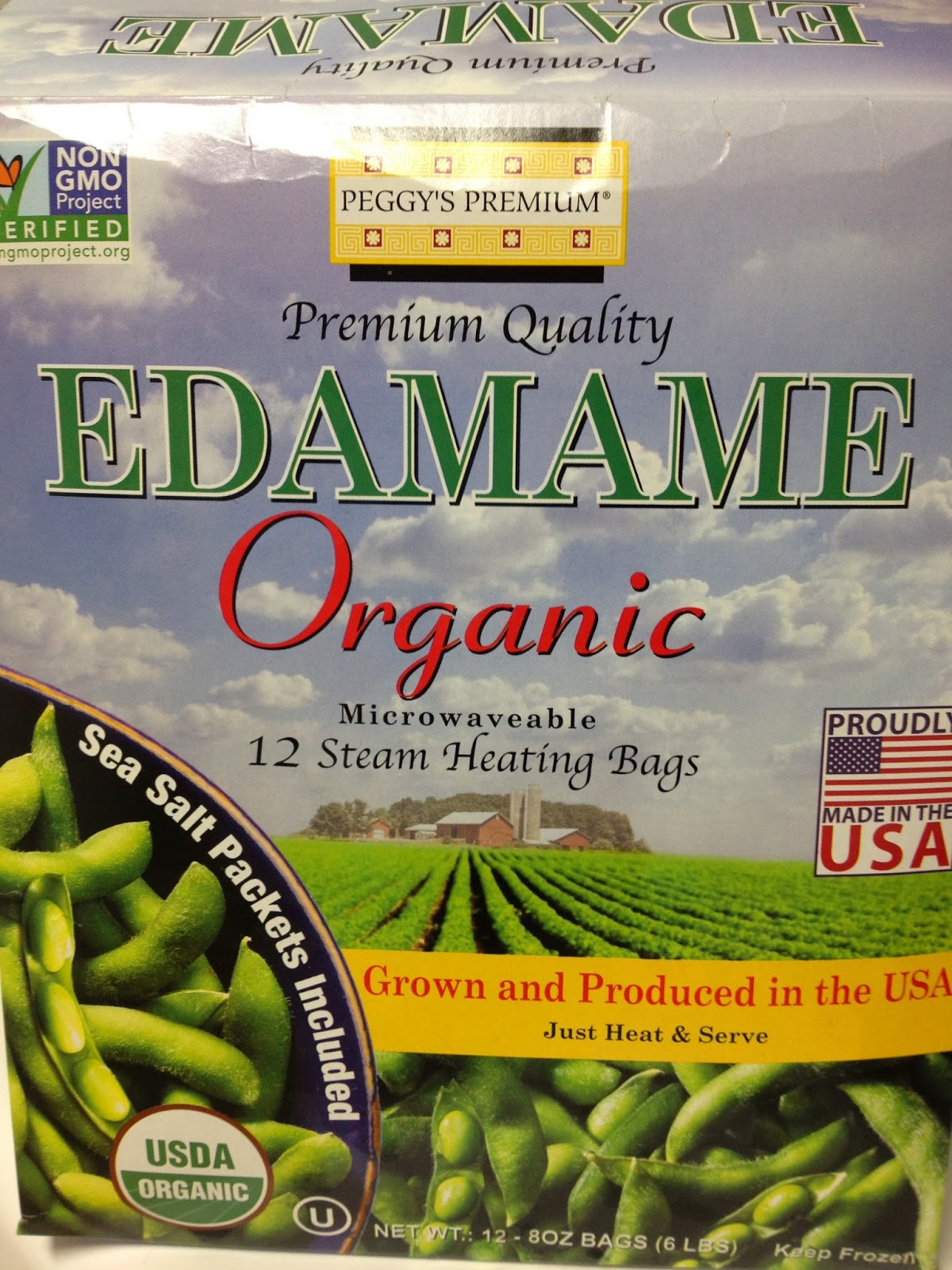
Earlier this year when I was in FL I ate at a sushi restaurant and one of my friends ordered steamed edamame as an appetizer.  I loved it and have been ordering it every single time I go out for sushi ever since.  I've remarked many times that I wish I could whip this up easily at home while watching a movie instead of popcorn.  Well now I can because I found this today at Costco!!!


I'm SO excited because this is SO easy and SO healthy!  To prepare, all you do is put one of the steamable bags of edamame in the microwave and heat for 2.5-3 minutes.  It also comes with little packets of sea salt if you want to sprinkle some on top.

This is a great evening snack for when you are watching the boob tube and want something to munch on.  One bag has only 140 calories and 12 grams of healthy plant protein!  I hope you try this and enjoy it as much as I have been!